What you can sell under the Texas cottage food law
The foods you can’t sell from a home kitchen, which baked goods are taxable, and how to keep the rest tax-free.

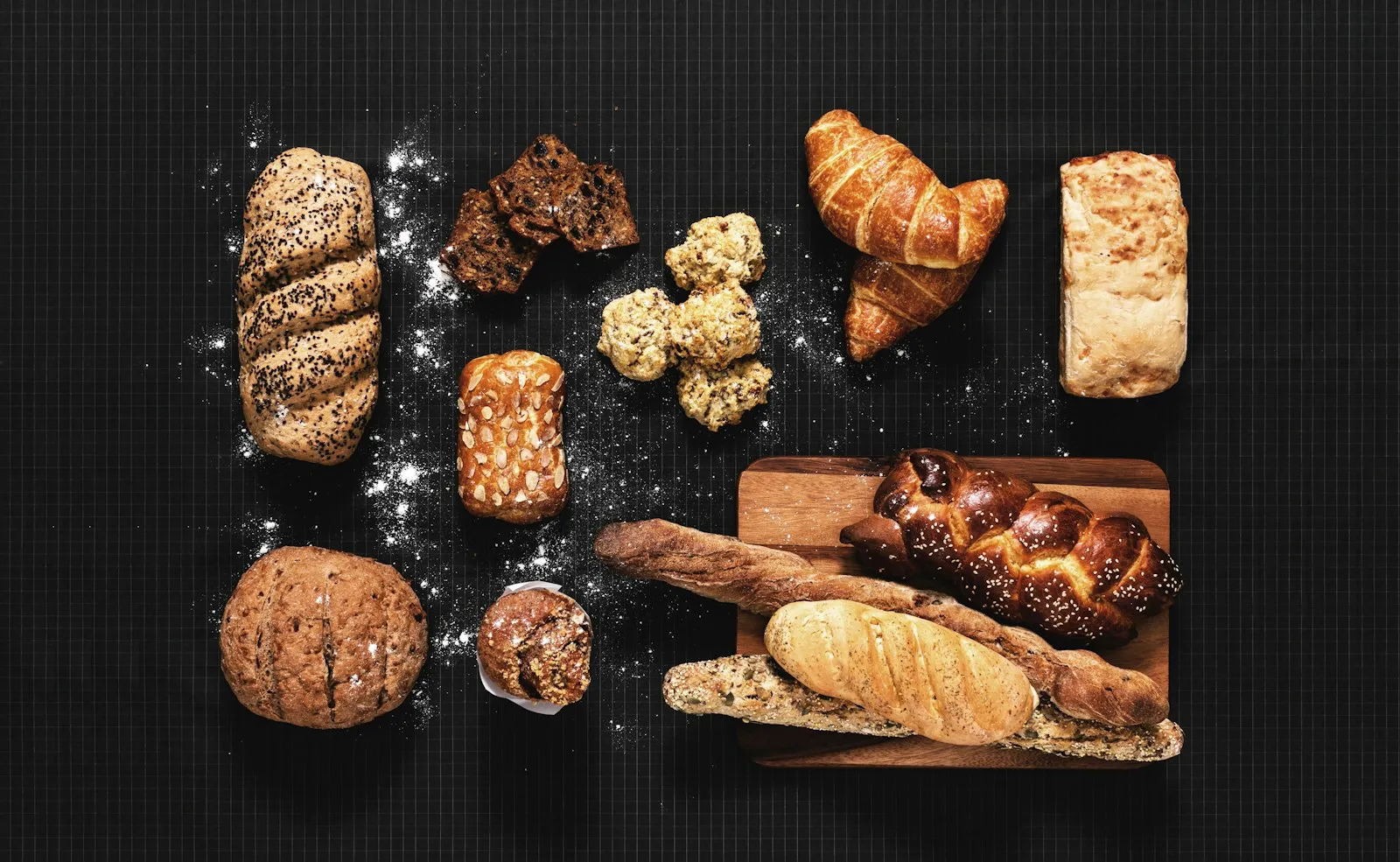
As cottage bakers, we have a wide range of foods we’re allowed to make and sell from home. The list of what’s not allowed is much shorter, so that’s the place to start.
Foods you can’t sell as a cottage baker
These foods aren’t covered by the cottage food law:
- Meat, meat products, poultry and poultry products (eggs don’t count as poultry here)
- Seafood, seafood products, fish, fish products, shellfish and shellfish products
- Ice and ice products, including shaved ice, ice cream, frozen custard, popsicles and gelato
- Low-acid canned goods
- Products containing cannabidiol (CBD) or tetrahydrocannabinol (THC)
- Raw milk and raw milk products (unpasteurized milk, and anything made with it)
If something you make needs to stay in the fridge, it’s a TCS food, and there are a few more steps to selling it. Our post on TCS foods explains them.
Some cottage foods need a sales tax permit
Being allowed to sell a food doesn’t always mean it’s tax-free. Some foods are taxable, and to sell them you’ll need a sales tax permit from the Texas Comptroller.
The Comptroller’s guide to taxable and nontaxable food has the full list. It covers every kind of food seller, so it includes some foods cottage bakers can’t sell.
Nontaxable foods
- Bagels
- Breads
- Biscuits
- Cakes
- Charcuterie plates (without meat or meat products)
- Cookies
- Croissants
- Dried fruit
- Dried herb and spice mixes
- Marshmallows
- Mixes, such as cake, muffin and brownie mixes
- Muffins
- Nuts (not candied)
- Rolls
- Pies
- Pizza crust
- Pudding and custard
- Salsa
- Tortillas
…and many, many more.
Taxable foods
- Breath mints
- Candy
- Candied foods, such as candied popcorn and nuts
- Coffee made with natural or artificial sweeteners (without ice)
- Popcorn, if it’s candied or sold hot
Keep your nontaxable foods tax-free
A nontaxable food becomes taxable if you serve it with utensils (a fork, spoon or knife), a plate or a napkin. It then counts as a prepared food.
To keep it tax-free, sell it in a bag or box, without utensils, plates or napkins.
Good to know: Selling taxable foods? You’ll need a sales tax permit first. The Comptroller’s permit page explains how to apply.
This post is general information, not legal or tax advice. Check the current rules with the Texas Department of State Health Services before you rely on them.
Selling from your home kitchen?
Texas Cottage Made Easy keeps your orders, payments, recipes and the sales cap in one place.